

Matsuda
M3138
Eye size 49 millimeters, bridge 21 millimeters, temple 145 millimeters
$675.00
Geometric frames: hexagons, faceted fronts and shapes that refuse the usual four.
Matsuda
$675.00

Matsuda
$790.00

Cartier
$1,395.00

Cartier
$1,295.00

J.F. Rey
$590.00

J.F. Rey
$590.00

J.F. Rey
$690.00

Cartier
$1,645.00

Cartier
$695.00

J.F. Rey
$690.00
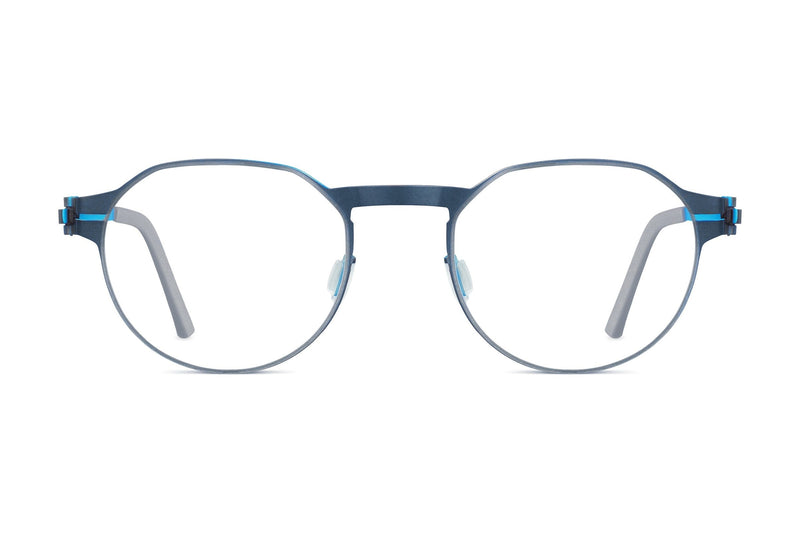
OVVO
$590.00

Cartier
$1,245.00

J.F. Rey
$690.00
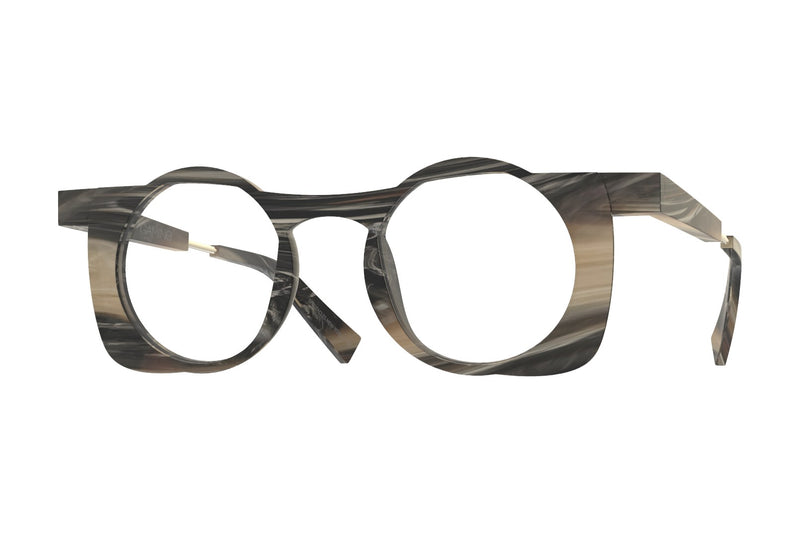
Gamine
$690.00

Sabine Be
$590.00

Res/Rei
$590.00

Res/Rei
$590.00

Blackfin
$448.00

Blackfin
$448.00

Blake Kuwahara
$790.00

Blake Kuwahara
$790.00

DITA
$990.00

DITA
$790.00

Henau
$590.00

Henau
$590.00

Henau
$590.00

Henau
$590.00

Henau
$590.00

Henau
$590.00

Henau
$590.00

Henau
$690.00

Henau
$690.00

Henau
$690.00
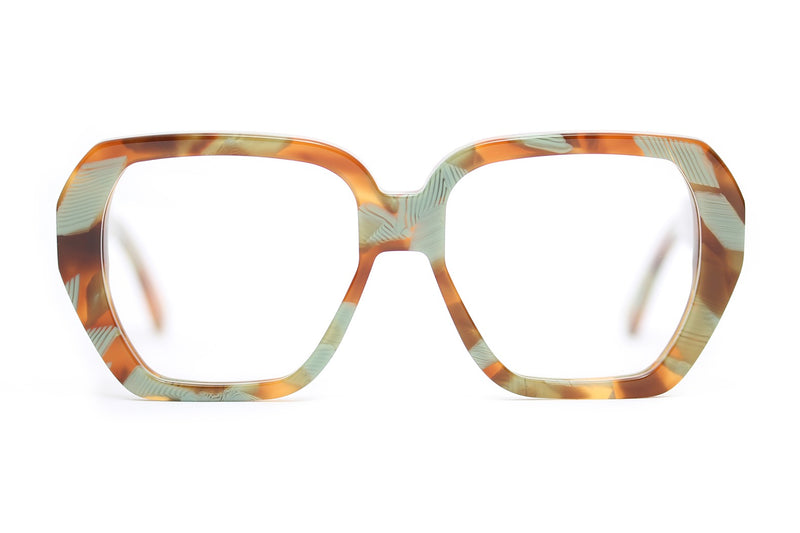
Henau
$690.00

KUBORAUM
On sale: $590.00, was $790.00
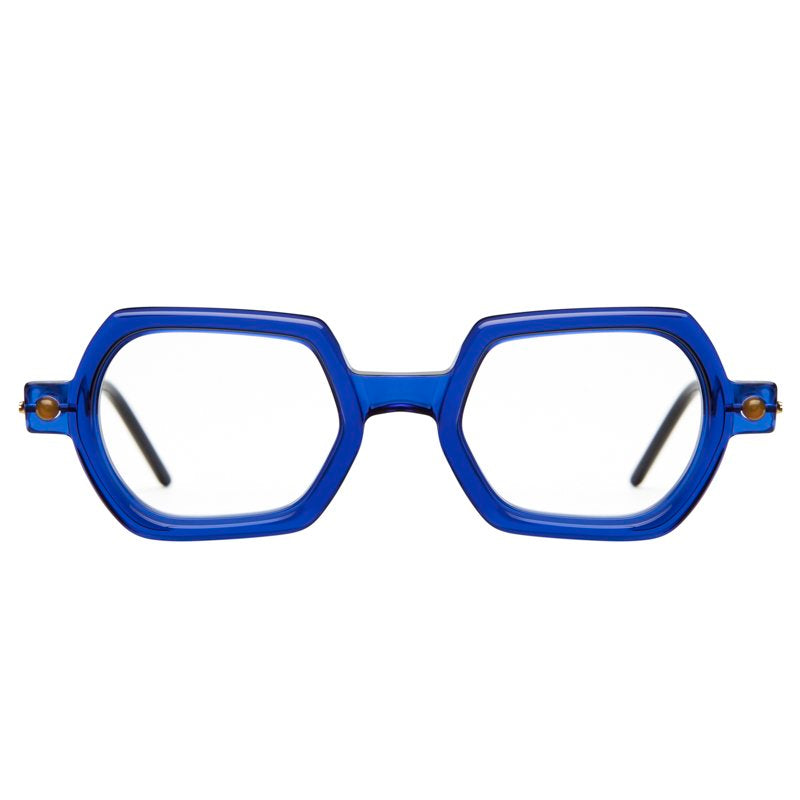
KUBORAUM
On sale: $515.00, was $690.00

KUBORAUM
On sale: $590.00, was $790.00

KUBORAUM
On sale: $515.00, was $690.00

KUBORAUM
On sale: $590.00, was $790.00

KUBORAUM
On sale: $590.00, was $790.00

KUBORAUM
On sale: $515.00, was $690.00

KUBORAUM
On sale: $665.00, was $890.00

KUBORAUM
On sale: $530.00, was $790.00

KUBORAUM
On sale: $510.00, was $790.00

KUBORAUM
On sale: $590.00, was $790.00

KUBORAUM
On sale: $590.00, was $790.00

KUBORAUM
On sale: $510.00, was $790.00

KUBORAUM
On sale: $590.00, was $790.00
Geometric covers the frames that are not a circle, a square or a cat-eye: hexagons, octagons, flattened rounds with a straight brow, and shapes that only their designers have a name for. Fifty of them are online, from twelve brands. KUBORAUM leads with 14 and Henau follows with 11; J.F. Rey and Cartier have five each, Res/Rei three, and DITA, Blake Kuwahara, Blackfin, Gamine and Matsuda two apiece. Thirty-one are acetate, 16 are metal and three are combinations.
The sizes cover almost the whole store. Eye sizes run from 43mm to 58mm with a median of 51mm: four frames are 46mm or under, 29 fall between 47mm and 52mm, and 17 are 53mm or more. A geometric shape can look bigger or smaller than its number depending on where the corners fall, so check the bridge and temple as well as the eye. The size guide at /collections/frame-size-guide explains all three.
Henau’s designer still sketches each model by hand, which is why the brand’s geometrics have edges that do not repeat, and KUBORAUM calls its frames masks and shapes them accordingly. Metal suits a hexagon because the rim stays thin and the angles stay crisp; all of Blackfin’s geometrics and most of Cartier’s are drawn that way. Acetate, cut from a solid plate, lets Henau put Grey Horn or Sage Havana through the whole thickness of an angled rim.
Gold is the most common colour, on three frames, then black shine and tortoise. Most frames are one of a kind and ship as frames, free and insured within the US, for your optician to glaze.
Any frame whose lens shape is built from angles or an irregular curve rather than a plain circle, square or rectangle: hexagons, octagons, keyholes, rounds with a flat brow, and one-off shapes. We tag 50 of our 311 frames that way. The shape draws attention to the frame itself, so it tends to be chosen by people who want the glasses to be noticed.
Angular frames are usually suggested for round or oval faces, where the straight edges add definition, and less often for faces that are already very angular. Size matters more than the rule: a 46mm hexagon is discreet and a 56mm one is a statement. Our geometrics run from 43mm to 58mm across the eye, so try the number that matches your current glasses first.
Yes. Each frame ships as a frame and your own optician cuts the lenses to the shape. Unusual outlines are edged from the frame’s own tracing, so an optician will want the frame in hand rather than a description. Very strong prescriptions look best in the smaller shapes, where the lens edge stays thin. Our lens guide at /collections/lens-guide has the details.
Both. Of our 50, 31 are acetate, 16 are metal and three combine the two. Metal keeps a rim thin, which suits sharp angles, and titanium, as in Blackfin’s frames, keeps it light and rigid. Acetate is cut from a solid plate, so the colour runs through the whole rim and an optician can adjust the fit with heat. Henau’s and KUBORAUM’s geometrics are mostly acetate.


