

Matsuda
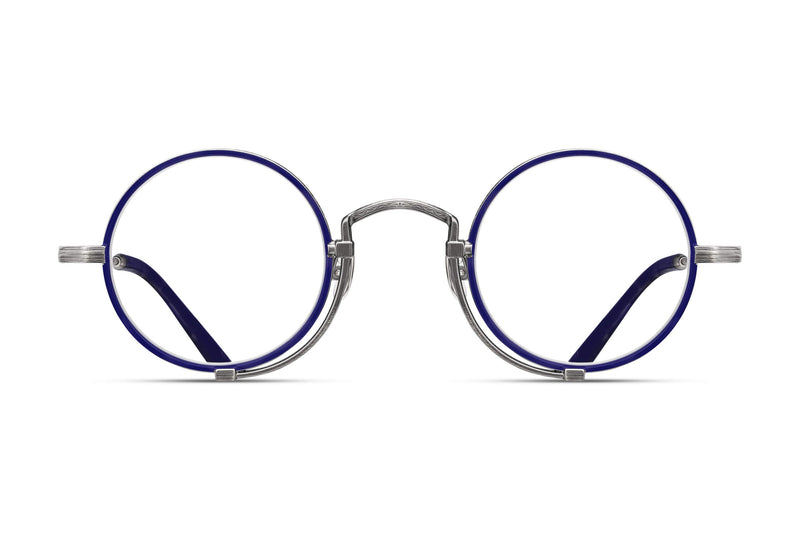
M3138
Eye size 49 millimeters, bridge 21 millimeters, temple 145 millimeters
$675.00
Made in Japan, where a single frame passes through hundreds of separate steps by hand before it is finished.
Matsuda
$675.00

Matsuda
$740.00

Matsuda
$740.00

Matsuda
$790.00

Matsuda
$1,195.00

Matsuda
$680.00
Matsuda
$625.00

DITA
$790.00

Blake Kuwahara
$790.00

Blake Kuwahara
$790.00

Blake Kuwahara
$790.00

Blake Kuwahara
$790.00

Blake Kuwahara
$790.00

Blake Kuwahara
$790.00

Blake Kuwahara
$790.00

Blake Kuwahara
$790.00

Blake Kuwahara
$790.00

Blake Kuwahara
$790.00

Blake Kuwahara
$790.00

Blake Kuwahara
$790.00

Blake Kuwahara
$790.00

Blake Kuwahara
$790.00

Blake Kuwahara
$790.00

Blake Kuwahara
$790.00

Blake Kuwahara
$790.00

Blake Kuwahara
$790.00

Blake Kuwahara
$790.00

DITA
$690.00

DITA
$690.00

DITA
$990.00

DITA
$990.00

DITA
$790.00

DITA
$890.00

DITA
$790.00

Blake Kuwahara
$790.00
Thirty-six of the frames online are made in Japan, from three brands. Blake Kuwahara has 20 of them: an optometrist’s designs, built as a classic inner shape inside a contrasting outer one, milled separately in Japan and laminated together over several weeks. DITA has nine, made in Japan in titanium, 18K gold and acetate, with a single frame passing through hundreds of production steps. Matsuda has seven, made by hand in Japanese workshops for a Tokyo label whose first eyewear collection appeared in 1989.
Only brands with a verified Made in Japan fact are here. All three state it plainly, so all 36 of their frames online are on this page.
Twenty-three frames are acetate, six are metal and seven combine the two, a higher share of combination frames than any other origin page. DITA’s pairings of white gold or silver with crystal, black glass or blossom tortoise account for most of them, along with Matsuda’s Caramel / Brushed Gold and Antique Silver / Navy. Blake Kuwahara’s frames are acetate but for one, and the outer and inner shapes are often different colours, which is where names like Slate Horn and Navy Horn come from.
Round and square lead with seven frames each, then geometric with six, cat-eye with five, aviator and oval with four each and rectangular with three. Eye sizes run from 43mm to 58mm with a median of 50mm; five frames are 46mm or under, 25 sit between 47mm and 52mm, and six are 53mm or more. Most are one of a kind, and each ships as a frame, insured and free within the US with a signature on delivery, for your own optician to glaze.
Of the brands we stock, three state that their frames are made in Japan: DITA, Matsuda and Blake Kuwahara, 36 frames between them. DITA is a Los Angeles brand whose every frame is made in Japan; Blake Kuwahara’s are milled, laminated and finished there; Matsuda is a Tokyo label made in Japanese workshops. We only place a brand here when the brand itself says where it makes, so nothing on this page is a guess.
The brands here describe the process rather than make the claim. DITA says a single frame can pass through more than 300 steps, with hinges and fittings engineered as carefully as the shapes. Blake Kuwahara mills the inner and outer parts of each frame separately, laminates them over several weeks, then polishes by hand. Matsuda works in titanium, sterling silver and gold alongside acetate. Time and materials, in short.
Yes. DITA was founded in Los Angeles in 1995, and every frame is made in Japan. Production is slow and exacting: titanium, 18K gold and premium acetate pass through hundreds of steps. All nine DITA frames online are on this page, most of them combination frames pairing white gold or silver with crystal, black glass or tortoise acetate. Sizes run from 48mm to 58mm across the eye.
Yes. Every frame ships as a frame, and your own optician fits the lenses. Blake Kuwahara’s laminated acetate hides a thicker lens edge; DITA’s and Matsuda’s metal and combination frames show more of it, so your optician may suggest a thinner lens for a strong prescription. Our lens guide at /collections/lens-guide covers the options. The Eye Rx practice at either of our shops can glaze and fit.


